
Shares: What is an IPO
Shares: What is an IPO
There are a number of ways to buy shares, including when they first float.
How investing in shares works
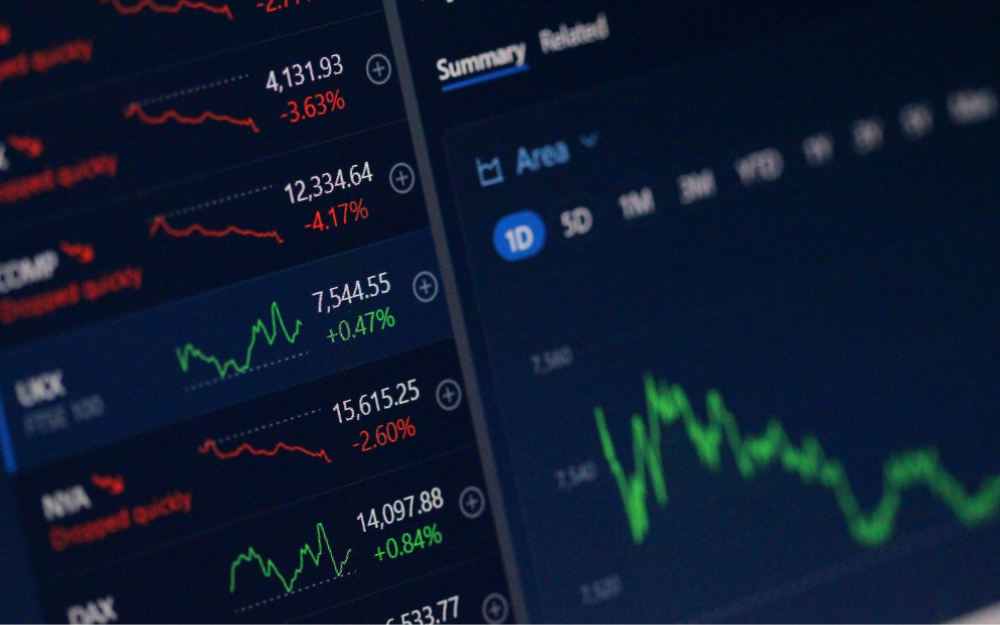
A share is part ownership in a company. Companies issue shares to raise money. After that, investors can buy and sell those shares to and from each other.
When you own shares, you own a small part of the company. As a shareholder, you can get dividends and other benefits.
If you’re new to shares, visit the Australian Securities Exchange (ASX) investor education hub for information and online seminars.
Reports of stolen shares due to identity theft are on the rise. ASIC is warning investors to be on high alert as fraudsters impersonating individuals are transferring or selling their shares without them knowing.
Buying shares through an IPO
‘IPO’ stands for ‘initial public offering’. When a private company goes public, it offers shares to investors the market to raise capital. This is called a ‘float’ or an ‘initial public offering’ (IPO). Once the company is listed on an exchange (e.g. theASX), the company’s shares can be traded in the secondary market. Buying through an IPO means you buy before the shares are officially listed on the exchange
2026 is shaping up to be a year of some significant IPOs, so here are some tips on what to consider before you invest.
To decide whether to invest in an IPO, read the prospectus. A prospectus contains details about the company and the float. It tells you:
- features of the shares (securities) on offer, how many are for sale, how to apply to buy
- company information, its operations and financial position
- risks associated with the offer
A prospectus must be lodged with ASIC. To check this, see ASIC’s Offer Notice Board.
A prospectus checklist
Things to look for in a prospectus:
- Sector — Do you know the specific risks for the sector the company operates in?
- Competitors — Who are the company’s competitors? How does it compare to others in the sector?
- Financial prospects — Look at the financial statements and cash flow. Is it generating revenue and making a profit? If not, why? Many companies do not make a profit during their start-up phase. If this is the case, when does it expect to make a profit?
- Profit estimate — Are the assumptions underlying the profit estimates reasonable? For example, demand for goods or services produced, or assumed economic conditions. What if they vary? Consider your investment time frame and how this would affect you.
- Relative value — What is the price-earnings ratio (P/E ratio) of the company? How does the valuation compare to other already listed companies in the sector? The P/E ratio will help you assess whether the IPO is a fair price. Generally, a higher P/E ratio means investors expect higher growth. During times of higher market volatility, such as COVID-19, past earnings may not be indicative of future earnings. It can also be more difficult to forecast future earnings. So the P/E ratio may not be a reliable indicator. Look at other metrics.
- Dividends — Does the company intend to pay a dividend? If so, when?
- Purpose of float — How will the company use the funds raised through the IPO? Are they expanding, creating new products or looking to access new markets?
- Licences — Does the company have all the necessary licences and permits to operate? If not, when?
- Directors — Are the company directors and managers paid what you would expect for the size and industry? Do they have appropriate skills and experience? Check they are not on ASIC’s banned and disqualified register.
- Advisers — How much are independent advisers paid as a percentage of funds raised by the IPO? If the fees exceed 10%, consider whether this is reasonable. The more money paid to advisers, the less available to the company.
- Risks — Is the risk disclosure section detailed and specific to the company? Or does it use vague language and generalised disclosure (such as saying the share price may go down)? This could mean the company is not telling you everything you need to know.
If there’s anything in the prospectus you don’t understand or are unsure about, talk to a broker or financial adviser before you invest.
Shares are not an appropriate investment for everyone. It’s important to consider your investing time frame and risk tolerance. You can reach out to us if you have any questions.
Selling shares
Once a company has floated, you buy and sell shares on the market.
If you hold shares directly, you can sell them by placing a trade online or contacting your broker. You pay a fee each time you make a trade.
Finding the right investments can be challenging. If you need some help to build a diversified portfolio, talk to us.
Source: Moneysmart
Reproduced with the permission of ASIC’s MoneySmart Team. This article was originally published at www.moneysmart.gov.au
Important note: This provides general information and hasn’t taken your circumstances into account. It’s important to consider your particular circumstances before deciding what’s right for you. Although the information is from sources considered reliable, we do not guarantee that it is accurate or complete. You should not rely upon it and should seek qualified advice before making any investment decision. Except where liability under any statute cannot be excluded, we do not accept any liability (whether under contract, tort or otherwise) for any resulting loss or damage of the reader or any other person. Past performance is not a reliable guide to future returns.
Important
Any information provided by the author detailed above is separate and external to our business and our Licensee. Neither our business nor our Licensee takes any responsibility for any action or any service provided by the author. Any links have been provided with permission for information purposes only and will take you to external websites, which are not connected to our company in any way. Note: Our company does not endorse and is not responsible for the accuracy of the contents/information contained within the linked site(s) accessible from this page.